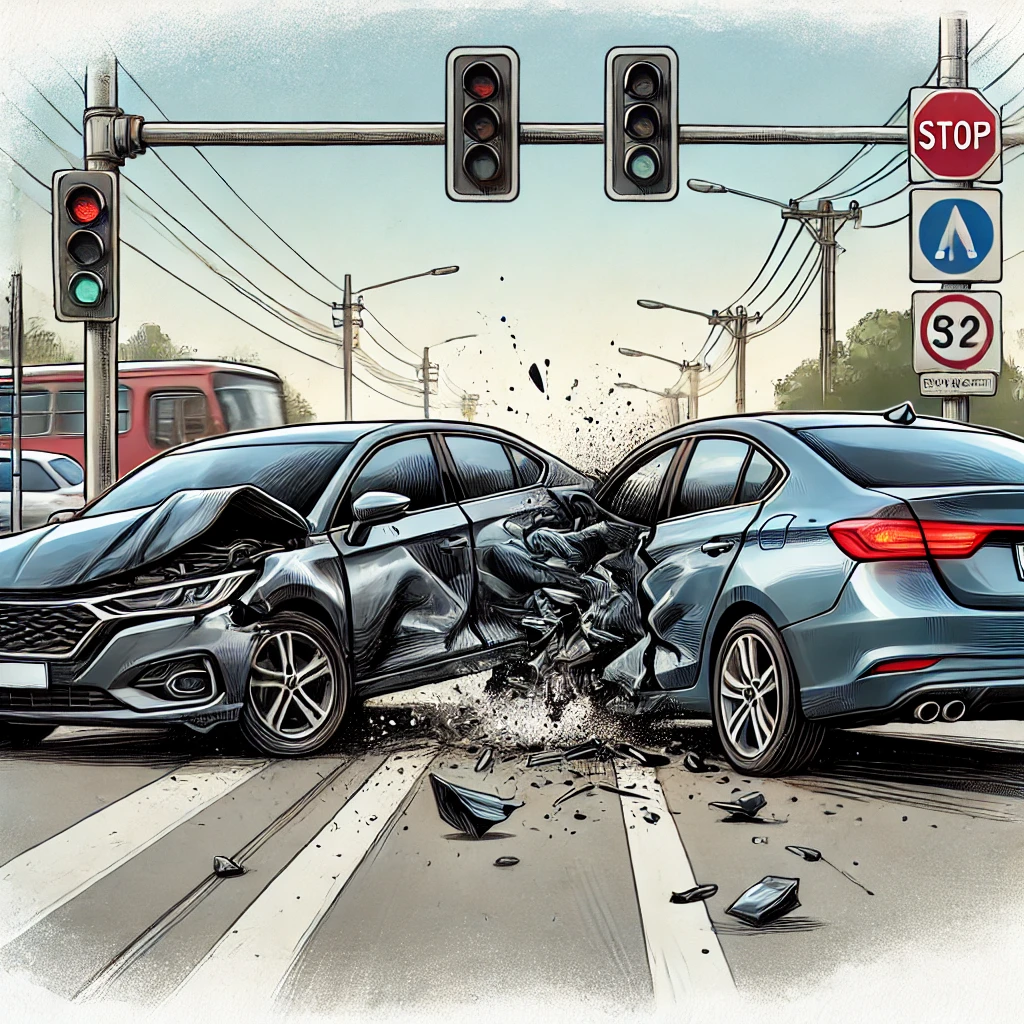
If you’re searching for a car accident chiropractor near Dugan Park in the Rocklin area, you’re probably dealing with pain that does not match how “minor” the crash seemed. At Disc Wellness Chiropractic, your chiropractor in Rocklin, we help people sort out what happened, what it means, and what to do next, without pressure or confusing explanations. Many patients from nearby Rocklin neighborhoods and the Rocklin Roseville edge want the same thing after a collision: a clear exam, a practical plan, and steady progress back to normal.
When to See a Car Accident Chiropractor After a Crash
- Get checked as soon as you can, even if symptoms feel mild at first.
- Neck stiffness, back tightness, headaches, jaw tension, or tingling can start hours or days later.
- A focused exam helps identify sprains, strains, joint irritation, and nerve involvement early.
- Bring your accident details, insurance info, and a short list of symptoms that changed since the crash.
- If you have dizziness, numbness, weakness, confusion, chest pain, or severe headache, seek urgent medical care first.
Why People Near Dugan Park Choose Chiropractic Care After a Car Accident
After an auto accident, adrenaline can mask pain. It is common to feel “okay” and then notice symptoms later, especially with whiplash-type injuries. Neck and upper back joints can get irritated, muscles tighten to protect the area, and headaches can follow. If you are noticing new stiffness when turning your head, trouble sleeping, or soreness that keeps spreading, it is worth getting checked.
Getting checked early can prevent small issues from turning into long-term pain.
Early care is not about rushing into treatment. It is about getting a clear baseline and catching problems while they are still easier to address. A detailed exam can identify whether you are dealing with a simple sprain-strain pattern, joint restriction, disc irritation, or nerve sensitivity. If the findings suggest you need imaging or another provider first, we will tell you.
A clear plan helps you feel in control again.n
After a crash, many people feel stuck in limbo. They are hurting, but they are not sure what is normal, what is serious, and what steps matter. Our goal is to give you a plan that makes sense: what we found, what it usually takes to improve, and what you can do between visits to support recovery.
What to Expect at Your First Visit
We start by understanding the crash details and how your symptoms changed afterward. We will ask about impact direction, seat position, headrest, airbags, and what you noticed in the first 24 to 72 hours. We also look at what aggravates symptoms now, like driving, sitting at work, lifting, or workouts.
The exam focused on the neck, back, shoulders, and nerves
Car accidents often involve more than one area. Your exam may include range of motion testing, orthopedic checks, nerve screening, posture and gait observation, and palpation for joint and muscle irritation.
Imaging referrals when clinically needed
Not every case needs imaging, but some do. If your history and exam suggest deeper injury, persistent neurological symptoms, or red flags, we may recommend imaging through the appropriate channel. This keeps care safe and helps avoid guessing.
Your care plan: what we treat, how long it usually takes, and what you can do at home
If chiropractic care is appropriate, we outline a plan based on your findings. That plan typically includes in-office care and simple at-home guidance. Many people also ask about spinal adjustments, so our chiropractic adjustment page can help you understand what an adjustment is and how it is selected.
Common Car Accident Injuries We See in the Rocklin Area
Whiplash is often a mix of joint irritation and soft tissue strain, not just “soreness.” You might feel tightness at the base of the neck, sharp pain when turning, or pain that travels into the shoulder blade area.
Back pain, disc irritation, and sciatica symptoms
A crash can cause spinal misalignment and irritate the mid-back and low back, especially if you braced for impact. Some people notice pain that worsens with sitting, bending, or getting up from a chair. If symptoms travel down the leg, it may involve nerve irritation. You can learn more about leg-related patterns on our sciatica page or disc-related pain on our herniated disc page.
Headaches, dizziness, and jaw tension
Headaches after a crash can come from neck joint irritation, muscle tension, or changes in how you hold your head. Some people also notice dizziness or a “foggy” feeling. These symptoms deserve a careful exam.
Shoulder, arm, hip, and leg pain after impact
Seat belts do their job, but they can also leave the shoulder and rib area sore. Bracing can trigger hip and leg tightness, too. If you have arm symptoms, including tingling or weakness, take it seriously and consider our arm pain page as a reference for what might be involved.
Understand Your Pain. Discover Real Solutions.
Explore our videos to learn what’s really causing your pain—and what it takes to fix it. From spinal health tips to real patient insights, our content is designed to help you move better, feel better, and live pain-free.
Local Factors That Can Affect Recovery Around Dugan Park and Rocklin
In this part of Placer County, many people spend real time driving, whether that is along I-80, Rocklin Road, Sierra College Boulevard, or through the Stanford Ranch area. After a crash, long sitting in the car can flare neck and low back pain, especially if your head posture changes or you start guarding. Small adjustments like seat angle, lumbar support, and mirror position can reduce strain while you heal.
Sports, gym routines, and weekend projects can flare up pain
Areas near parks and sports spaces tend to be active. People return to walks, youth sports, gym sessions, or yard work before the body is ready. That is when symptoms spike. A good recovery plan accounts for what you actually do each week and times your return to lifting, running, and overhead work in a way that avoids setbacks.
Sleep position and workstation setup can slow progress
A lot of “stuck” recovery is not because care is not working, but because the neck and back are being irritated every day at the desk and every night in bed. We give simple, realistic suggestions, like pillow height, side-sleep support, and screen placement, so you stop re-aggravating the injury between visits.
Chiropractic Care That Fits Car Accident Recovery
After a collision, the first goal is often getting symptoms under control so you can sleep, work, and drive comfortably again. That matters. But lasting improvement usually requires more than short-term relief. We want your neck and back moving well again, not just “less painful.”
Restoring motion and stability so symptoms don’t keep returning
Car accident injuries often create protective stiffness. If joints stay restricted and muscles stay guarded, pain returns easily with stress, driving, or workouts. Chiropractic treatment aims to restore proper joint motion and reduce irritation, while we also guide you on movement habits that support stability.
Home guidance that supports results between visits
The best results come when you know what to do between visits. That might include gentle mobility drills, ice or heat guidance, and short walking routines based on your symptoms. We keep it practical so you can actually follow it.
Documentation, Referrals, and Clear Communication
Patients often want their symptoms and exam findings clearly documented, especially when multiple parties are involved. We focus on accurate notes tied to what you report and what we observe during the exam. If you need care focused specifically on accident injury cases, our personal injury chiropractor page explains how we approach these situations.
When we recommend imaging or another provider
If your exam suggests you need medical evaluation, imaging, or a different specialist, we will tell you. Chiropractic care is one part of the recovery picture. The right plan is the one that fits your presentation, not a one-size-fits-all protocol.
Coordinating care when you already have a doctor or attorney
Some patients already have a primary care provider, an orthopedist, or legal representation. We can coordinate documentation and timelines in a professional way while keeping the focus on your health and recovery steps.
Insurance Questions People Ask After a Crash
Coverage varies based on policy type and the details of the accident. Some people use auto-related coverage first, while others use health insurance. Our front desk can explain what information we need and help you understand your options during scheduling through our contact page.
What to do if symptoms are mild but persistent
Mild symptoms that do not improve can still matter. Ongoing stiffness, headaches, or back tightness can change how you move, sleep, and work. If you are waiting for it to “just go away” and it is not changing, it is reasonable to get evaluated.
How care is usually scheduled during the first few weeks
Most people start with a closer spacing of visits early on, then taper as function improves. Frequency depends on findings, symptom severity, and how your body responds. The plan should be explained clearly, with progress markers so you know what “getting better” looks like.
How to Know It’s Time to Get Checked
Consider an evaluation if you have:
- Neck pain or reduced range of motion
- Mid-back or low-back pain that worsens with sitting or driving
- Headaches that started after the crash
- Tingling, numbness, or pain traveling into the arm or leg
- Sleep disruption from pain or stiffness
- Pain that is not improving day by day
Red flags that require urgent medical attention
Seek urgent medical care first if you have:
- Severe headache that is unusual for you
- Weakness, loss of coordination, fainting, or confusion
- Chest pain, shortness of breath, or severe abdominal pain
- Loss of bowel or bladder control
- Progressive numbness or weakness
FAQs About Car Accident Chiropractors Near Dugan Park
How soon should I see a car accident chiropractor after a crash?
As soon as you reasonably can. Early evaluation helps identify patterns that may worsen over time, even if symptoms seem mild at first.
Can a chiropractor help with whiplash after a rear-end collision?
Yes, many whiplash cases respond well to care that restores joint motion, reduces irritation, and guides safe activity while tissues heal.
What if pain started a few days after the accident?
That is common. Delayed symptoms often happen when the body settles after the initial stress response. A focused exam can clarify what is involved.
Do I need a referral to see a chiropractor in Rocklin?
In many cases, no referral is required, but insurance policies can differ. The easiest step is to confirm details through the clinic directly.
How many visits do most people need after a car accident?
It depends on the injury type, severity, and how long symptoms have been present. Your exam should lead the plan, not a preset number.
Can chiropractic care help with headaches after a crash?
Headaches tied to neck strain and joint irritation often improve when the underlying neck mechanics and muscle tension are addressed.
A Simple Plan to Get Relief and Move Forward
Bring any accident information you have, your insurance details, and a short list of symptoms with notes on when they started and what makes them worse.
What happens after the exam
You will leave with clear answers: what we found, what we recommend, and what the first phase of care looks like. If you need a different type of evaluation first, we will tell you.
Calm next step
If you’re near Dugan Park and dealing with new pain after a collision, the next helpful move is a focused evaluation with a chiropractor in Rocklin. You can schedule throughBook Appointment or start by calling the clinic using ourRocklin location page.
MAP EMBED