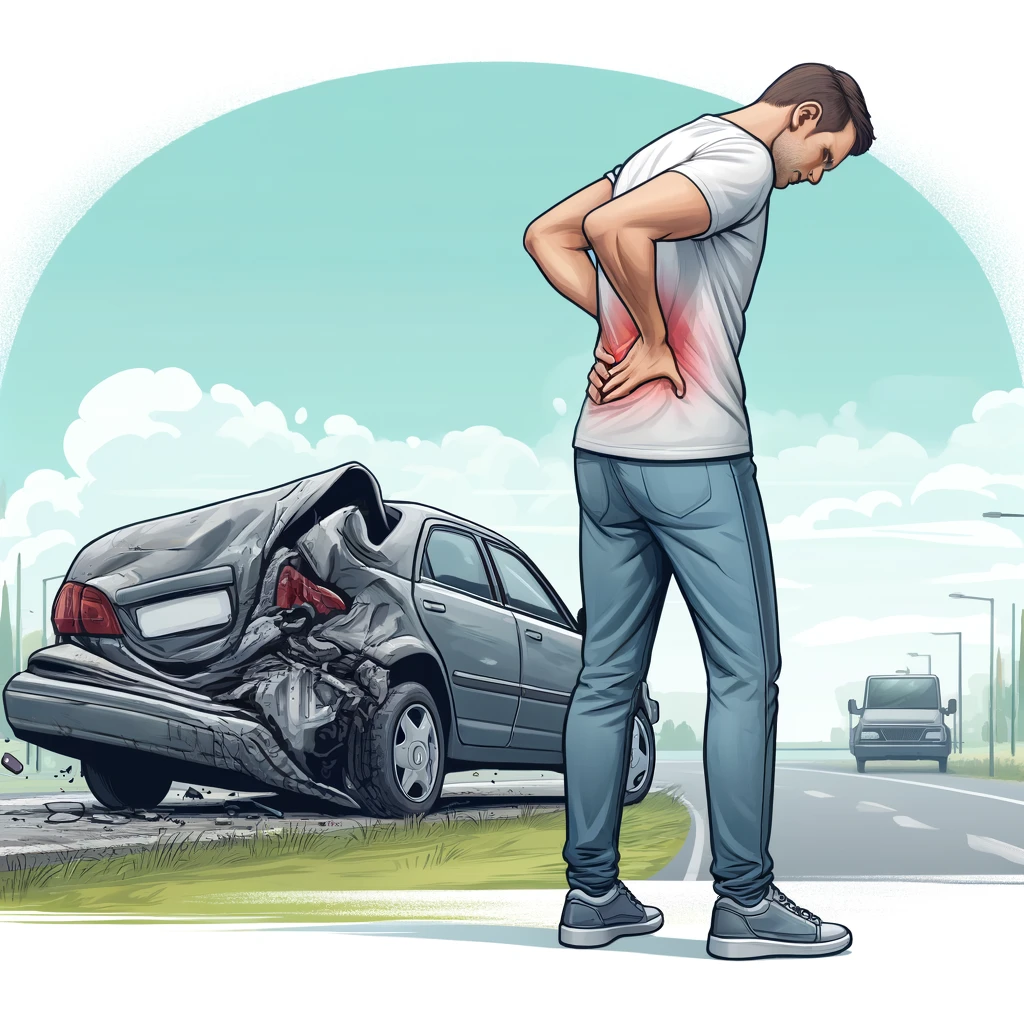
After a crash, many people in Rocklin feel fine at first. Then the stiffness starts later that day. Or the headache shows up the next morning. That delay is common after a collision, especially when adrenaline is hi,gh and your body is still reacting to the impact.
A car accident chiropractor in Rocklin can help assess joint irritation, soft tissue strain, restricted motion, and symptoms linked to whiplash. That matters even after lower-speed collisions near busy areas like Sierra College Boulevard, Stanford Ranch Road, or Interstate 80, where a sudden jolt can still leave the neck and back irritated.
If you are wondering when to visit a chiropractor after a car accident, the safest answer is this: get checked as soon as you reasonably can after the crash, especially if you notice neck pain, headaches, back pain, stiffness, or reduced mobility. If you have severe pain, loss of consciousness, chest pain, shortness of breath, major weakness, or bowel or bladder changes, seek emergency medical care first.
It is usually best to see a chiropractor soon after a crash, even if pain is mild or delayed. Early evaluation may help catch hidden injuries, reduce inflammation, restore movement, and create a clear treatment record if care is needed.
Why You Should See a Chiropractor After a Car Accident
Car accidents often create more force on the body than people expect. Even when vehicle damage looks minor, the neck, back, shoulders, and supporting muscles can still absorb a sudden load. A prompt evaluation gives you a clearer picture of what happened to your body, not just what happened to your car.
Hidden injuries are common after collisions
Some of the most common crash injuries do not always show up right away. Whiplash, joint irritation, muscle strain, and soft tissue inflammation can build over several hours or days. You may leave the scene thinking you avoided injury, then wake up with neck stiffness, shoulder tightness, or a pounding headache.
That delay is one reason people wait too long. They assume no immediate pain means no injury. In reality, many post-crash problems start quietly and get worse as inflammation builds.
Adrenaline can delay pain symptoms
Right after an accident, your body is focused on stress response. Adrenaline can dull pain and make you feel more capable than you really are. Once that response wears off, soreness and restricted motion often become easier to notice.
This is especially common after rear-end collisions and side impacts. You may finish the police report, drive home, and feel okay for a few hours. Then the neck starts tightening, ng or the lower back starts to ache.
Why early treatment helps prevent chronic pain
The earlier an injury is evaluated, the easier it is to build a clear plan around it. Early care may help reduce muscle guarding, improve movement, and keep small problems from settling into a long pattern of stiffness and compensation.
Early treatment also gives you a baseline. If symptoms change, that change is easier to track because your condition was documented close to the time of the crash. That can be helpful for both care planning and insurance-related paperwork.
Common Car Accident Injuries Chiropractors Treat
A car accident chiropractor usually sees patterns that show up again and again after collisions. These injuries can affect how you turn your head, sit at work, sleep, exercise, and drive.
Whiplash and neck strain
Whiplash is one of the most common injuries after a crash. It happens when the head and neck are forced back and forth quickly. That sudden motion can irritate muscles, ligaments, joints, and surrounding soft tissue in the cervical spine.
People often notice neck pain, stiffness, shoulder tension, headaches, or pain that spreads into the upper back. Some feel symptoms within hours. Others notice them the next day or later.
Back pain and spinal misalignment
Thlowerow back and mid-back often absorb force during a collision, especially if the body twists during impact. Patients may notice a dull ache, a sharp catch when standing up, or pain that gets worse after sitting.
A chiropractor can assess how the spine is moving after the crash and whether joint restriction, guarding, or mechanical irritation may be contributing to the pain.
Soft tissue injuries and inflammation
Not every accident injury shows up on imaging. Soft tissue injuries can involve muscles, ligaments, tendons, and fascia. These tissues can become irritated or inflamed even when there is no fracture.
That is one reason pain can feel vague at first. You may not be able to point to one exact spot, but the body still feels sore, tight, or unstable.
Headaches and post-accident migraines
Headaches after a car accident are common. In some cases, they are linked to neck strain, upper back tension, or irritation around the base of the skull. Patients may describe pressure, tightness, or headaches that get worse with movement or screen time.
Headaches after a crash should still be taken seriously. If the headache is severe, worsening, or paired with vision changes, confusion, vomiting, or neurological symptoms, medical evaluation should come first.
Signs You Should Visit a Chiropractor After a Crash
Some people know right away that something is wrong. Others notice a slower change. A good rule is simple: if your body feels different after the accident, pay attention to it.
Neck pain or stiffness
Neck pain is one of the clearest signs that you should get checked. That includes soreness, reduced range of motion, pain when turning your head, or stiffness that builds as the day goes on.
Even mild neck symptoms after a crash deserve attention. Waiting it out can make it harder to sort out what is improving and what is getting worse.
Headaches after the accident
A new headache after a crash is worth noting, especially if it starts at the base of the skull, spreads across the head, or shows up with neck tightness. This type of headache can point to strain in the neck and upper back.
If the headache feels severe, unusual, or comes with dizziness, confusion, fainting, or visual changes, do not rely on a routine chiropractic visit alone. Get medical care right away.
Reduced mobility or stiffness
If you cannot turn normally, bend comfortably, or sit without tightening up, the body may be guarding an injured area. Reduced mobility often shows up before major pain does.
This can make normal tasks harder fast. Driving, backing out of a parking space, sleeping, working at a desk, and lifting groceries can all start to feel different.
Tingling, numbness, or radiating pain
Symptoms that travel into the shoulder, arm, hand, hip, or leg deserve prompt evaluation. Tingling, numbness, burning pain, or shooting discomfort can suggest nerve irritation or a more significant injury pattern.
These symptoms should not be brushed off, especially after a car accident. They may call for a broader medical workup depending on the exam.
How Soon Should You See a Chiropractor After a Car Accident?
The closer your first evaluation is to the accident, the easier it is to connect symptoms, track changes, and start a plan before stiffness settles in. Prompt does not mean rushed. It means not waiting for the problem to become obvious and disruptive.
Why the first 24–72 hours matter
Many crash-related symptoms show up during the first few days. This is often when inflammation increases, soreness builds, and the body starts guarding the injured area. A visit during that early window can help identify restricted motion, muscle spasm, and soft tissue irritation before they become harder to manage.
This is also the point when people often realize they were more hurt than they first thought. The first day or two can change the picture quickly.
What happens if you wait too long for treatment
Waiting does not always cause permanent damage, but it can make recovery more frustrating. Muscles may tighten further. Movement patterns can change. Sleep may get worse. Daily tasks may start feeling heavier because the body is compensating for pain.
From a documentation standpoint, long delays can also make it harder to connect symptoms clearly to the accident. That does not mean you should panic if you did not get checked right away. It just means earlier is usually better when symptoms are present.
When symptoms appear days or weeks later
Delayed symptoms are common after crashes. Some people do not feel neck pain, headaches, or back tightness until several days later. Others notice problems after they return to work, start driving more, or try to exercise again.
If symptoms show up later, it is still worth getting evaluated. A delayed start does not mean the pain is unimportant. It means your body took time to show you what the collision stirred up.
What to Expect During Your First Car Accident Chiropractic Visit
Your first visit should feel organized and specific. You should leave understanding what the chiropractor found, what the next steps are, and whether chiropractic care makes sense for your case.
Initial consultation and injury evaluation
The visit usually starts with a detailed history. You may be asked how the crash happened, where you felt the impact, what symptoms appeared, and how those symptoms have changed since the accident. The chiropractor should also ask about prior injuries, current limitations, and red-flag symptoms.
From there, the physical exam may include posture, range of motion, orthopedic testing, palpation, and a review of how your neck and back are moving.
Imaging and diagnostic assessments
Imaging is not automatic for every patient. It depends on the mechanism of injury, your symptoms, and what shows up during the exam. If there is concern about fracture, severe neurological symptoms, or a condition outside the routine chiropractic scope, referral for medical imaging or emergency evaluation may be appropriate.
That is a good sign, not a problem. A careful chiropractor should know when to treat, when to co-manage, and when to refer.
Personalized treatment plan and recovery timeline
If chiropractic care is appropriate, the next step is a treatment plan based on your injury pattern, current limitations, and goals. That plan may include adjustments, soft tissue work, mobility support, activity guidance, and follow-up visits to reassess progress.
Recovery timelines vary. A mild case may improve fairly quickly. A more involved whiplash or back injury may need a longer course of care. A trustworthy plan should sound realistic, not rehearsed.
Chiropractic Treatments Used After Car Accidents
The goal after a crash is not to force the body. It is to calm irritated tissue, improve motion, and help the spine and surrounding muscles recover in a measured way.
Spinal adjustments and alignment correction
If the exam shows joint restriction or motion loss, a chiropractor may use spinal adjustments to improve movement in specific areas. After a car accident, that often includes the neck, upper back, low back, or pelvis.
At Disc Wellness Chiropractic, Dr. Mark Jason Bernardo can explain why a certain area is being adjusted and how it relates to your symptoms. That clarity matters after an injury.
Soft tissue therapy and muscle rehabilitation
Crash injuries often involve more than the joints. Muscles and connective tissue can become tight, inflamed, and protective. Soft tissue work may help reduce tension and improve how the surrounding area moves.
This part of care is often important for whiplash, upper back tightness, shoulder tension, and low back guarding after a collision.
Corrective exercises and mobility restoration
Treatment should not stop at the table. Many patients benefit from simple exercises, stretches, and movement advice that support recovery between visits. These may focus on posture, neck control, shoulder mobility, or core stability, port depending on the case.
Good rehab advice should feel doable. It should help you move better at home, at work, and in the car.
Chiropractic Care vs. Pain Medication After a Crash
After an accident, many people want fast relief. That makes sense. The question is whether the plan is only reducing symptoms for a few hours or actually helping the body recover.
Treating the root cause instead of masking pain
Pain medication may reduce discomfort, but it does not assess why the pain started or why movement feels off. Chiropractic care is meant to evaluate the mechanical side of the injury, such as restricted joints, tension patterns, and motion loss.
That does not make medication wrong. It just means symptom relief and physical recovery are not the same thing.
Benefits of non-invasive recovery methods
Conservative care appeals to many patients because it focuses on movement, function, and tissue recovery without surgery. For the right patient, that can be a practical way to manage post-crash symptoms while staying involved in day-to-day life.
A non-invasive approach can be especially helpful when the injury is painful but does not require emergency or surgical care.
Long-term healing vs temporary relief
Temporary relief has value, especially in the early days after a crash. Still, long-term progress usually depends on whether mobility improves, inflammation settles, and the body stops guarding the injured area.
That is where an exam, a treatment plan, and steady reassessment matter more than short bursts of symptom control.
How Chiropractic Care Supports Injury Documentation
After a car accident, your records matter. Clear documentation helps create a timeline of symptoms, findings, treatment, and progress. That can be useful whether you are dealing with insurance, speaking with an attorney, or simply trying to keep your care organized.
Medical records for insurance claims
A chiropractor can document the date of your visit, your symptoms, exam findings, treatment provided, and how your condition changes over time. These records may help support an insurance claim by showing that you sought care and followed a treatment plan after the crash.
That documentation should be factual and consistent. It is not about making the case sound bigger than it is.
Supporting personal injury cases
If you are involved in a personal injury case, your treatment notes may become part of the broader record reviewed by insurers or legal professionals. That is one reason it helps to choose a provider who is familiar with accident cases and careful about documentation.
A chiropractor does not decide the legal outcome. What they can do is keep thorough clinical records that reflect your condition and progress.
Tracking recovery and treatment progress
Documentation also helps the patient. Progress notes can show what is improving, what is not, and whether the plan needs to change. That makes treatment easier to follow and easier to discuss if another provider becomes involved.
A strong paper trail supports better care, not just better paperwork.
Choosing the Right Car Accident Chiropractor in Rocklin, CA
After a crash, you want a provider who can assess the injury carefully, explain things clearly, and keep the process moving. The right fit is not just about location. It is about judgment, communication, and experience.
Experience treating auto accident injuries
Car accident cases are different from routine maintenance visits. The provider should understand whiplash patterns, delayed symptoms, soft tissue irritation, and when referral is needed.
At Disc Wellness Chiropractic, Dr. Mark Jason Bernardo should be positioned as a chiropractor who understands how collision injuries affect day-to-day function, not just pain scores.
Working with insurance and personal injury cases
Practical experience matters here. Patients often need help understanding what records are being kept, what follow-up is needed, and how treatment documentation fits into an insurance or personal injury process.
The office does not need to make legal promises. It does need to be organized and familiar with the realities of accident care.
Local reputation and patient reviews
For a Rocklin practice, local trust matters. Patients often look at reviews to see whether the office communicates well, stays organized, and helps people feel less overwhelmed after an accident.
That local confidence carries weight, especially for people choosing between clinics in Rocklin, Roseville, and Lincoln after an already stressful event.
FAQ: Car Accident Chiropractic Care
These are some of the most common questions people ask after a crash.
Should I see a chiropractor after a car accident if I feel fine?
Yes, it is often smart to get checked even if pain has not started yet. Delayed symptoms are common after collisions. A prompt evaluation can help catch problems before they become more limiting.
How long does it take to recover from whiplash?
There is no single timeline. Some people improve within a few weeks. Others need longer, especially if symptoms are stronger, more widespread, or not addressed early. The better question is whether your pain, motion, and daily function are steadily improving.
Do chiropractors work with car accident insurance claims?
Many do. A chiropractor may provide visit notes, treatment records, and progress updates that patients, insurers, or attorneys may request. It is still important to ask the office how they handle accident cases and what paperwork they can provide.
How many chiropractic visits are needed after a crash?
That depends on the severity of the injury, how your body responds, and whether symptoms are improving between visits. A short course of care may be enough for some patients. Others need a longer plan with reassessment along the way. The schedule should make sense for your case, not follow a generic template.